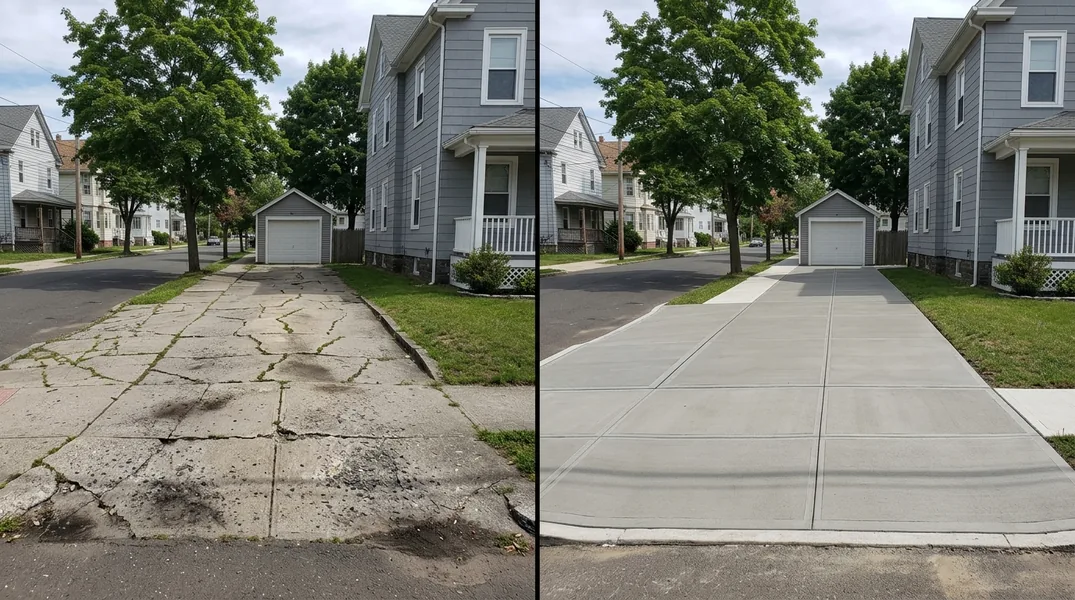
Why Timing Matters When Pouring Concrete in Connecticut
If you're planning a Concrete Driveways project in Bridgeport, you might think concrete can be poured any time of year. The reality is far different. The timing of your concrete pour directly impacts how well your finished surface cures, how long it lasts, and whether it will develop cracks or other damage down the road. Connecticut's variable climate, with its cold winters, humid summers, and unpredictable spring and fall weather, means that choosing the right season for your project is not just convenient, it's essential for quality results.
Concrete is a chemical product that requires specific conditions to cure properly. When you pour concrete, a hydration process begins immediately. This process is sensitive to temperature, moisture, and air conditions. Pour concrete in the wrong season, and you risk weak spots, surface scaling, cracking, and premature deterioration. Understanding when to pour concrete Connecticut homeowners should schedule their projects helps ensure your driveway, patio, or other concrete surface performs beautifully for decades. At Bridgeport Concrete, we've seen countless projects succeed or struggle based on the timing of the pour, and we want to help you make the smart choice.
Spring: The Prime Concrete Pouring Season in Bridgeport
Spring is widely considered the ideal Bridgeport concrete pouring season, and for good reason. As temperatures climb into the 50s and 60s Fahrenheit, concrete begins to cure at an optimal rate. In Connecticut, late April through May typically offers the most stable conditions: soil has thawed from winter, daytime temperatures are warm enough to support proper hydration, and nighttime temperatures rarely drop below freezing. This consistency is crucial because concrete curing is disrupted when temperatures swing wildly from day to night.
During spring, you'll also benefit from moderate humidity levels and less extreme weather swings compared to summer. The risk of sudden heavy rain washing out fresh concrete is lower than in summer, and you won't face the intense heat that can cause concrete to cure too quickly and unevenly. Spring is also when many homeowners start thinking about home improvement projects, so scheduling your Concrete Patios or driveway work during this season means contractors are actively taking on new projects. If you're considering a pour, contacting Bridgeport Concrete at (475) 445-2803 in early spring gives you the best chance of scheduling your project during this prime window.
Summer Pouring: Challenges and Considerations
Summer might seem like a natural time to pour concrete, with long warm days and stable sunshine. However, summer in Connecticut presents unique challenges that can compromise your concrete's integrity. When temperatures soar into the 80s and 90s, concrete cures too quickly. Rapid curing causes the surface to harden faster than the interior, trapping moisture inside and creating internal stress. This stress often leads to surface cracking, a problem that's difficult and expensive to fix later through Concrete Repair & Resurfacing.
Additionally, summer brings afternoon thunderstorms to Connecticut with little warning. If rain falls on freshly poured concrete before it has properly set, it can wash out the surface, damage the finish, and weaken the structural integrity. Extreme heat also means contractors must work early in the morning or late afternoon to avoid the hottest parts of the day, which can complicate scheduling. If you absolutely must pour concrete in summer, you'll need specialized cooling techniques and careful moisture management, which increases your project's pricing. Most homeowners find it smarter to wait for spring or fall conditions.
Fall: A Secondary Window for Concrete Projects
Fall offers a secondary opportunity for concrete pouring in Connecticut, particularly from mid-September through early October. During this period, temperatures cool to the 60s and 70s Fahrenheit, humidity drops, and the intense summer heat is gone. These conditions allow concrete to cure at a steady, controlled pace without the risk of rapid surface hardening. Fall also tends to have fewer sudden weather events than spring, and the ground is still warm enough from summer to support proper curing.
However, fall's window is narrower than spring's. By late October, nighttime temperatures begin dropping toward freezing, and the risk of cold weather interference increases significantly. If you're considering a fall pour, it's important to plan early and move quickly. Waiting too long into October means you risk frost damage and incomplete curing before winter arrives. If you're thinking about a fall project, reaching out to Bridgeport Concrete for a free estimate in late August or early September ensures you can schedule the work before the optimal window closes.
Cold Weather Concrete Curing: Why Winter Pours Are Risky
Winter is the most challenging season for concrete work in Connecticut. When temperatures drop below 50 degrees Fahrenheit, the hydration process that cures concrete slows dramatically. Below 40 degrees, curing essentially stops. Worse, if the concrete hasn't fully cured and temperatures drop below freezing, water in the concrete freezes and expands, causing internal damage and surface cracking. This freeze-thaw cycle is one of the primary reasons concrete deteriorates in harsh climates, and it's especially problematic in Connecticut, where winter temperatures fluctuate above and below freezing repeatedly.
While it's technically possible to pour concrete in winter using heated enclosures, insulation, and specialized additives, these measures significantly increase costs and complexity. You'll need to heat the concrete for days or weeks to ensure proper curing, and you must maintain those heated conditions consistently. For most homeowners in Bridgeport, winter concrete pouring simply isn't worth the expense and hassle. Waiting until spring yields better results at lower cost. If you have an emergency need for concrete work during winter, call Bridgeport Concrete at (475) 445-2803 to discuss your options and realistic expectations.
Planning Your Concrete Project: Timing Tips for Homeowners
Now that you understand the seasonal challenges, here's how to plan your concrete project strategically. Start by identifying what type of work you need. If you're planning Stamped & Decorative Concrete work, you'll want the most stable conditions possible, which means targeting spring or early fall. Standard driveways and patios are more forgiving but still benefit from ideal seasonal timing. Once you've identified your project type, work backward from your desired completion date. If you want your driveway finished by summer, you should schedule the pour in April or early May. If you're aiming for fall completion, plan for August or early September scheduling.
Another critical consideration is soil moisture. Spring and fall offer better soil conditions than summer, when the ground may be too dry, or winter, when it's frozen or waterlogged. Proper soil preparation is essential for concrete longevity, so seasonal timing affects more than just the curing process itself. Finally, consider contractor availability. Spring is busy, so booking early is essential. Fall is slightly less congested, and you may find more flexibility in scheduling. Whatever timeline you choose, contact Bridgeport Concrete early to discuss your project and secure your preferred dates. Our team can assess your specific needs and recommend the optimal timing for the best results.
Looking for a professional concrete contractor in Bridgeport? Bridgeport Concrete responds fast for all your concrete needs.
Get a Free QuoteOur services: Concrete Driveways · Concrete Patios · Stamped & Decorative Concrete